How to Approach Storm Damage Cleanup on Your Property
When a severe storm passes through, the damage it leaves behind can be overwhelming. Trees may be downed, branches scattered, and the landscape you once knew can look completely different. For homeowners in areas prone to strong winds and heavy rain, knowing how to handle the aftermath is essential. Storm damage cleanup is not just about restoring order; it is about doing so safely and efficiently, especially when large trees are involved.
Assess the Situation Before You Act
The first instinct after a storm might be to rush outside and start clearing debris. But taking a moment to assess the situation can prevent accidents. Look at the property from a safe distance. Check for downed power lines, hanging branches, or trees that are leaning against structures. If there are any utility lines involved, stay far away and contact the power company immediately. Never approach a tree that is touching a live wire, even if the wire looks dead. Electricity can be unpredictable.
Once you have confirmed that the immediate area is free of electrical hazards, walk around the property carefully. Watch for hidden dangers like broken branches wedged in the canopy, called hang-ups, or trees that are partially uprooted and could fall without warning. Storm damage cleanup often requires a sober look at which parts of the job you can handle yourself and which parts need a professional.
Safety Comes First, Always
Cleaning up after a storm is physically demanding and risky work. Chainsaws, falling branches, and unstable footing are common causes of injury. Before picking up any tool, make sure you have the right protective gear: gloves, sturdy boots, eye protection, and a hard hat if you are working near overhead hazards. If you are using a chainsaw, hearing protection is also a good idea.
One of the biggest mistakes people make is trying to take down a large, damaged tree on their own. A tree that has been twisted or partially uprooted can shift suddenly. The tension in the wood, known as spring, can cause a branch to snap back violently. Professional arborists have the training and equipment to handle these situations. For major jobs, it is wise to call a licensed tree service rather than risk injury or further damage to your property.
Start with the Most Urgent Work
Not all storm damage requires the same level of urgency. Begin with anything that poses an immediate threat to people, buildings, or vehicles. A tree leaning over a house, a large branch hanging above a driveway, or debris blocking an entrance should be your first priority. After that, move on to clearing pathways and restoring access to the property.
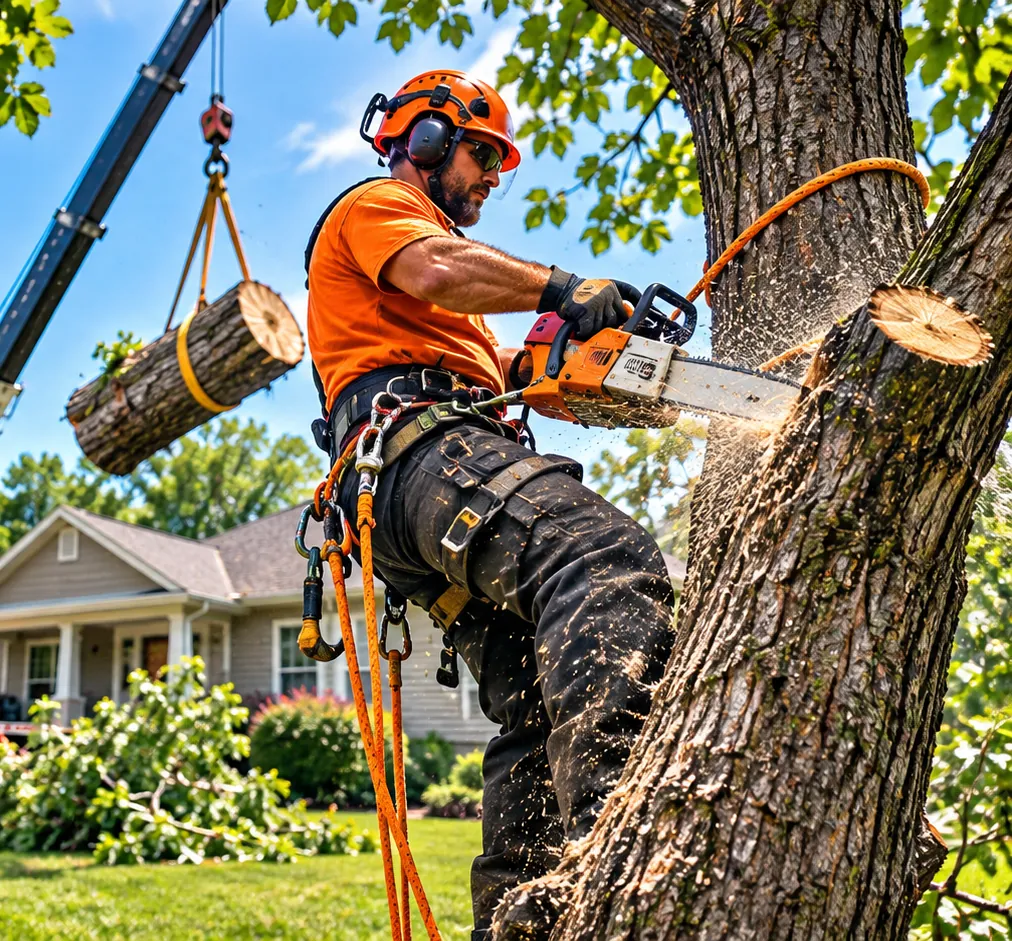
If a tree has fallen and is not pressing on anything, you may be able to cut it up and remove it yourself. But be careful: the trunk and branches may be under tension from the way they landed. Cutting into the wrong spot can release that tension suddenly. A good rule is to cut on the side opposite the bend, and never stand directly behind the cut. Take your time and think through each cut before making it.
When to Call for Help
There are clear signs that a job is too big for a homeowner. If the tree is large, say over 20 feet tall, or if it is tangled in power lines or other trees, call a professional. Also, if the tree is leaning against a structure and removing it could cause more damage, an experienced crew can rig the tree so it comes down safely. Storm damage cleanup often requires heavy equipment like stump grinders, cranes, or bucket trucks, which most homeowners do not have access to.
For residents in North Georgia, finding a reliable service can make a big difference. Companies like Jasper Tree Removal specialize in these exact scenarios. They handle residential and light commercial storm cleanup, including climbing and rigging work in tight spaces. Their website, jaspertreeremoval.com, provides information on the services they offer for storm-damaged trees. Having a trusted contact before the next storm hits can save you time and stress.
Dealing with Debris
Once the dangerous parts of the cleanup are done, you are left with the debris. Branches, logs, and leaves can pile up fast. Separating the material can make disposal easier. Keep firewood-sized logs aside if you have a fireplace or wood stove. Chip smaller branches into mulch if you have access to a chipper, or stack them for curbside pickup if your community offers it.
Many municipalities have special collection schedules after major storms. Check with your local waste management service to see what they accept and when. Some require that branches be cut to a certain length and tied into bundles. Others have bulk pickup days. Knowing the rules ahead of time can prevent frustration later.
If the volume of debris is too high, consider renting a dumpster or hiring a hauling service. It is also worth asking your tree service if they include debris removal in their cleanup package. Some companies will chip the material on site and leave the mulch, which can be useful for landscaping.
What About Stumps?
A tree that has been cut down still leaves a stump behind. If the stump is in a lawn or near a walkway, it can be a tripping hazard and an eyesore. Stump grinding is the most common way to remove it. A grinding machine chews the stump down to below ground level, allowing you to plant grass or other plants over the spot. This is a separate service from tree removal, so ask about it when you schedule your cleanup.
If you plan to remove the stump yourself, renting a stump grinder is an option, but it requires some physical effort and caution. The machines are heavy and can kick up debris. Always wear a face shield and gloves. For large stumps or multiple stumps, hiring a professional is usually worth the cost.
Preventing Future Storm Damage
While you cannot stop a storm, you can reduce the risk of damage to your property. Regular tree maintenance is the best prevention. Have a certified arborist inspect your trees every year or two. They can spot weak limbs, disease, or structural issues that make a tree more likely to fail in high winds.
Pruning is one of the most effective steps. Removing dead or overextended branches reduces the sail area of the tree, meaning the wind has less to push against. Thinning the canopy also allows wind to pass through more easily. Trees that are properly pruned are less likely to lose large limbs during a storm.
Another factor is tree placement. Trees that are too close to a house or roof can cause problems even if they are healthy. Consider removing trees that are within a few feet of your home, especially if they are species known for brittle wood or shallow roots. A little planning now can save a lot of cleanup later.
The Role of a Professional Tree Service
Storm damage cleanup is a specialized skill. Professional tree services have the equipment, training, and insurance to handle dangerous situations that homeowners should not attempt. They can safely remove trees that are hung up in other trees, rig heavy limbs over roofs, and grind stumps flush with the ground. They also understand how to work around power lines and other utilities.
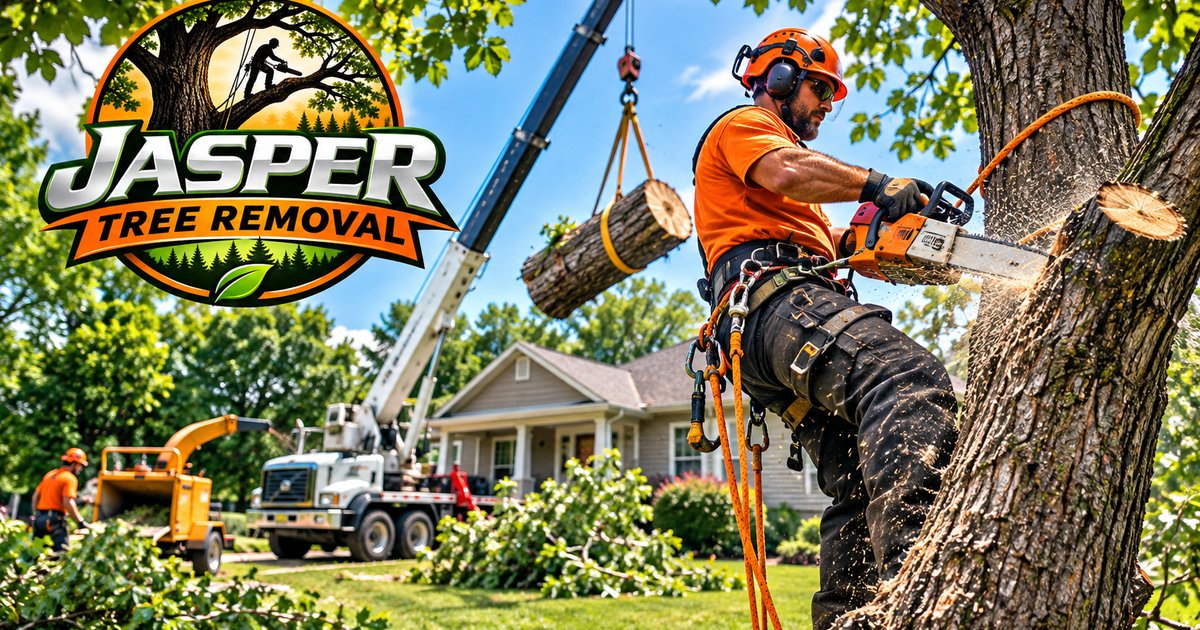
When choosing a tree service, look for one that is licensed and insured. Ask for references or check online reviews. A good company will provide a written estimate and explain their approach before starting work. They should also be willing to answer questions about safety and cleanup procedures. For those in Jasper and the surrounding area, a company like Jasper Tree Removal focuses on these exact services, from storm cleanup to lot clearing. Their team is available around the clock for emergencies, which matters when a storm hits unexpectedly.
Whether you are dealing with a single broken branch or an entire uprooted tree, the principles remain the same: assess, prioritize safety, and know when to call for backup. Storm damage cleanup does not have to be a nightmare if you approach it step by step. By staying calm and working methodically, you can restore your property and reduce the chance of future problems. And when the job is too big, there are professionals ready to help. For more information on what services are available, you can visit jaspertreeremoval.com to learn about storm cleanup options in your area.
Jasper Tree Removal on social media
 Twitter
 Instagram
 YouTube